Celeste’s small beginning—and the invisible kindness behind a difficult climb
A four-day PICO-8 game and a developer’s account of forgiving controls reveal two different sides of an indie platformer.
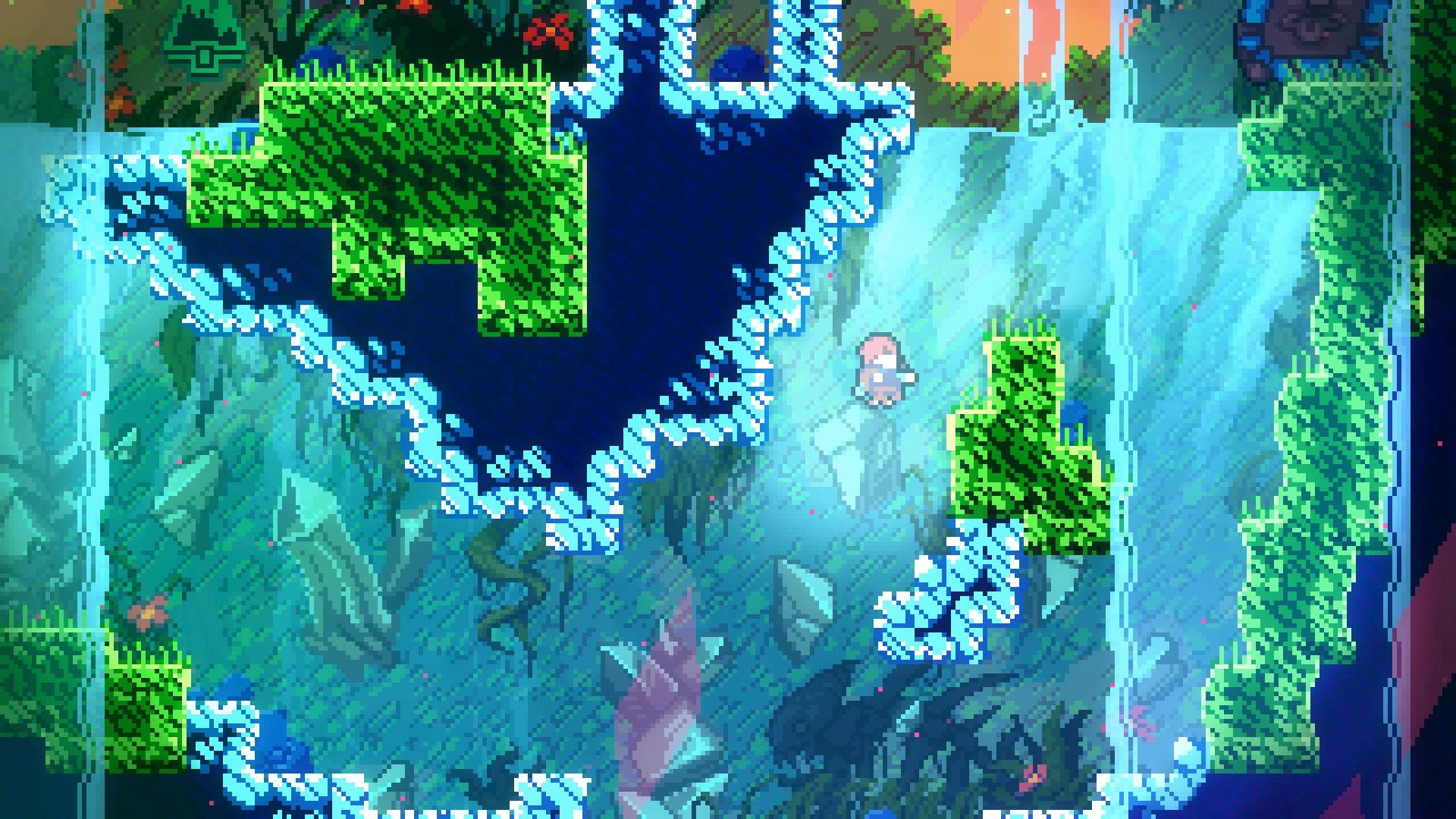
A small game can make its central idea unusually easy to see. Celeste Classic presents a mountain, a compact screen and an invitation to climb. The later Celeste surrounds that premise with Madeline’s journey and a much larger world. Looking at the two together is useful because it separates an idea’s first expression from the craft involved in expanding it.
A mountain that fitted inside a fantasy console
The developers’ Classic page credits Maddy Thorson and Noel Berry and describes a PICO-8 platformer made in four days. It still offers the original browser game, rather than only a trailer or a retrospective description. That makes the early work available to explore on its own terms.
PICO-8 is a modern fantasy console, not a recovered machine from the 1980s. Lexaloffle gives it a 128×128 display, 16 colours and a tightly limited cartridge format, with code, art, sound and music tools together. Its maker explicitly presents those restrictions as a way to encourage small, expressive designs.
That distinction matters when talking about “retro” games. A limited palette can evoke an older era without reproducing a particular historical console. Classic belongs to a deliberately constrained creative environment; its small scale is part of the work, rather than evidence that it was unfinished.
Expanding the idea is more than adding rooms
The full game’s official site introduces Madeline’s climb and credits a broader creative team, including artists, composer Lena Raine and audio contributors. It also preserves the route back to Classic. Both versions therefore have a place in the story: the small original and the more extensive collaboration.
It would be a mistake to treat a larger release as proof that every prototype should grow. A compact game may already express exactly what its creators intended. Celeste is interesting because its public material lets readers follow a particular expansion, without pretending that its path is a universal recipe for indie success.
Precision can include a little forgiveness
Thorson’s separate technical article, Celeste & Forgiveness, describes timing and positioning allowances in the full game. With coyote time, a jump remains possible briefly after leaving a ledge. Jump buffering accepts a press just before landing and turns it into a jump on contact. Corner correction can nudge a nearly successful movement around an obstruction.
These are not claims that Celeste invented those techniques: Thorson explicitly says otherwise. The useful insight is that demanding movement and forgiving implementation can coexist. A game can ask for precision while giving a player’s apparent intention a slightly wider window to register.
The developer’s short animation below illustrates coyote time. It documents a design technique; it is not a measurement of your controller, display or input delay.
What to take from the climb
For players interested in game history, the preserved Classic is an opportunity to compare two related works. For aspiring developers, the more useful question is not “How do I make another Celeste?” but “Which part of this idea deserves the most attention?”
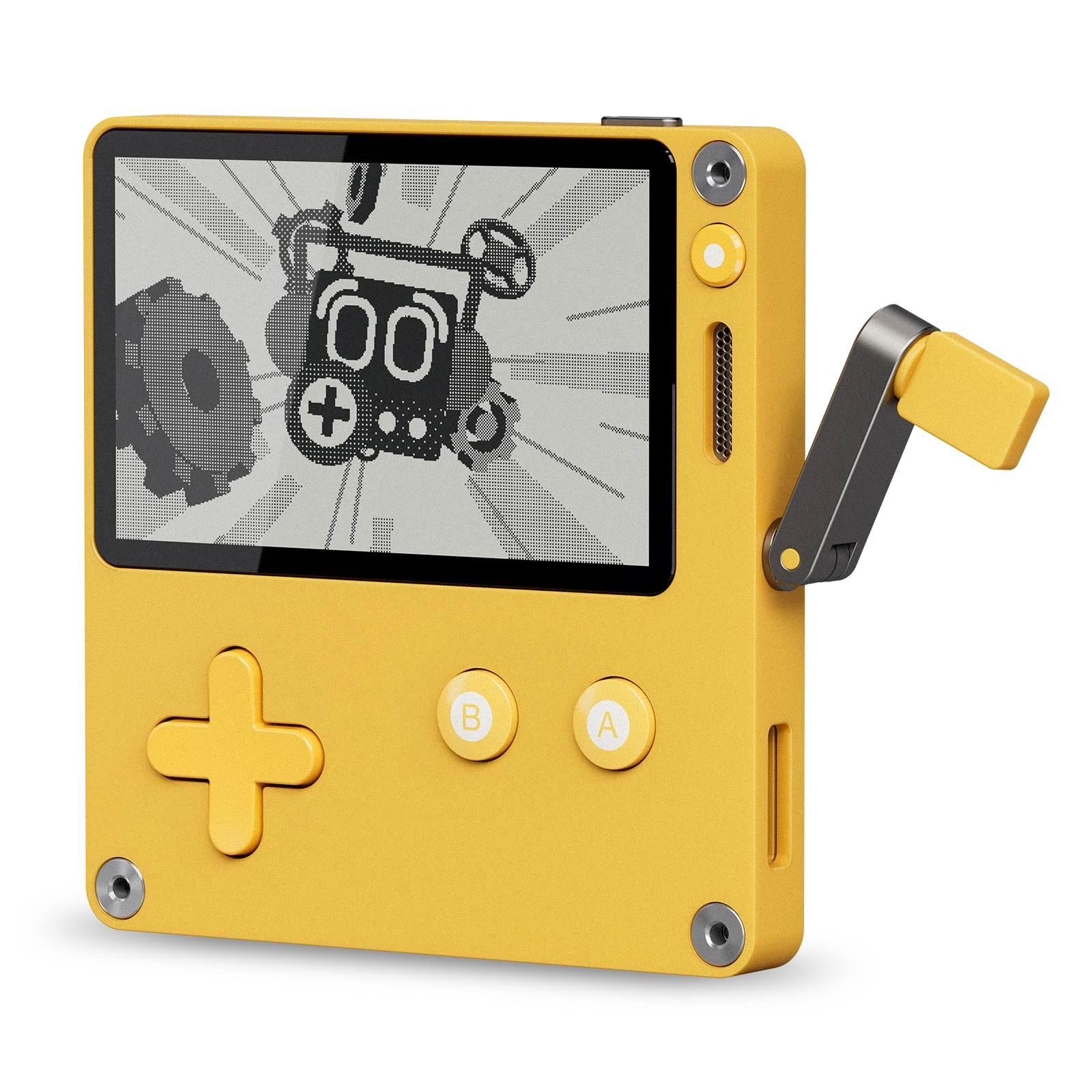
Our companion Playdate feature approaches that question through physical hardware: a monochrome screen and a crank change what designers can ask of a player. The Stardew Valley retrospective offers another route through a small project’s longer life.

Sources & further reading
- Maddy Thorson and Noel Berry — Celeste Classic: original game, creators and four-day development description ↗
- Lexaloffle — PICO-8 fantasy console and creative constraints ↗
- Maddy Makes Games — Celeste official site and creative credits ↗
- Maddy Thorson — Celeste & Forgiveness: developer explanations and illustrations ↗
References reviewed 30 Oct 2026 AEST.