Playdate’s most interesting specification is what it asks designers to leave out
A reflective screen, a physical crank and approachable development tools make a useful alternative to the handheld performance race.
Handheld comparisons usually begin with what a machine can run. Playdate poses a different question: what games become interesting when a device has a very particular screen and a control you cannot mistake for a thumbstick?
That makes it worth understanding even if you are not planning to buy one. Its design connects a familiar pocket-console shape with a contemporary independent-game ecosystem, without simply trying to reproduce an old library.
One bit is a design choice, not a performance score
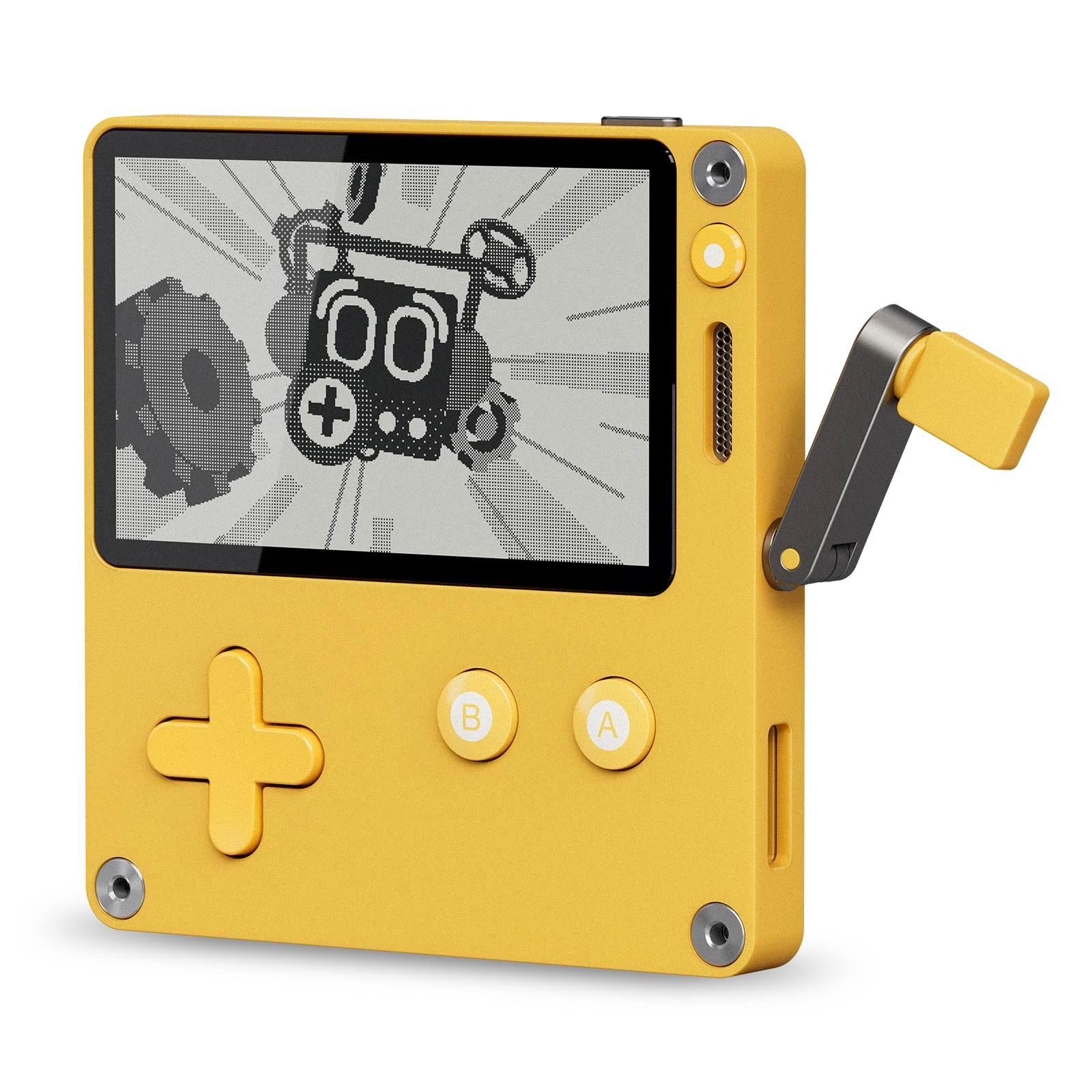
Panic’s technical documentation specifies a 400×240 monochrome memory LCD. Its design guide distinguishes that display from e-ink and explains that it has no backlight. Ambient light is therefore part of the experience: a specification sheet cannot make the screen visible in an unlit room.
“One bit” describes the black-or-white display output, not the complexity of every game. Designers can create patterns and texture through the arrangement of pixels. The interesting question is what remains legible on a small physical screen, rather than how closely a screenshot resembles a modern colour display.
There is an important historical distinction here. Panic’s guide describes modern hardware with a retro appearance. Playdate is not a Game Boy emulator by definition, and its catalogue is not interchangeable with a collection of older console releases. A familiar silhouette should not stand in for checking the actual games.
The crank changes the physical conversation
The crank is an analogue input, not a battery charger. Panic notes that not every game uses it. That makes it a design opportunity rather than a compulsory trick that every developer must build around.
Its practical implications go beyond novelty. Panic’s guidance discusses which button is comfortable to reach while turning the crank, recommends considering directional-button alternatives for players who struggle with it, and advises testing the physical controls on the real device. Those details are a reminder that an unusual input can open possibilities and introduce barriers at the same time.
A development kit is part of the hardware story
The developer site offers Lua and C APIs, documentation and a simulator. Pulp provides a browser-based editor with art, music and scripting tools. The product page also describes sideloading, allowing games to reach a device outside its built-in Catalog store.
Those routes matter because a small platform needs more than an unusual shell. It needs ways for people to make things, try ideas and share the results. A simulator lowers the barrier to beginning; it does not replace checking a reflective screen or a moving physical control.
Decide by the experience, not the category label
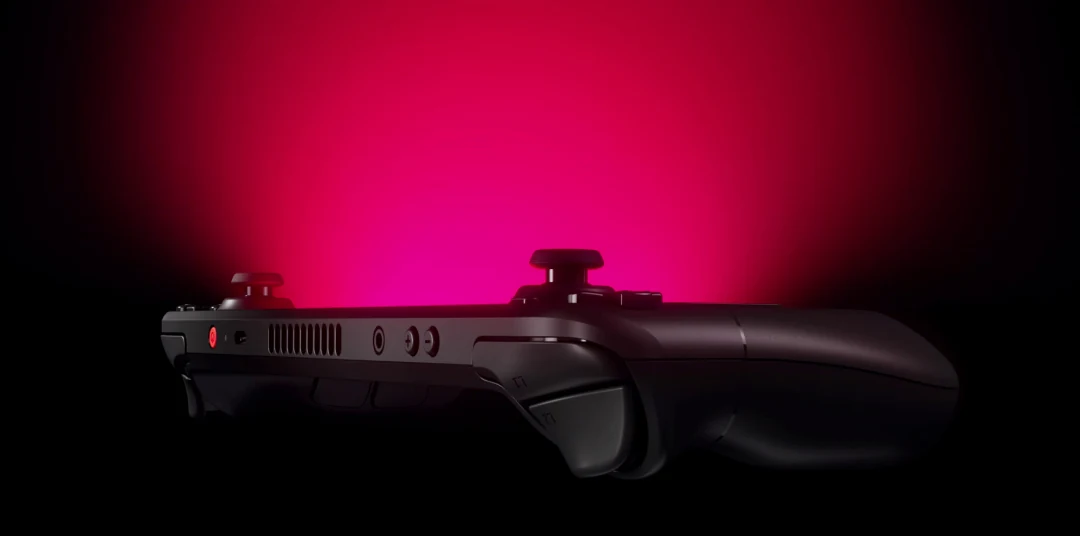
Panic describes Playdate as its own small system, created with Teenage Engineering’s design involvement. Treat it that way when comparing handhelds. If your main goal is to carry a particular Steam library, Deck compatibility details answer a more relevant question. If you are curious about experiments in input and presentation, investigate the individual Playdate games and their control requirements.
This is a design explainer, not a tested hardware verdict or an Australian availability check. The companion Celeste feature follows a related idea in software: constraints and carefully chosen allowances can be more interesting than a longer list of features.
Sources & further reading
- Panic — Playdate product overview, crank and design partnership ↗
- Panic — Designing for Playdate: screen, physical controls and accessibility ↗
- Panic — Develop for Playdate: SDK, simulator, Pulp and sharing tools ↗
- Panic — Inside Playdate: hardware and API reference ↗
References reviewed 30 Oct 2026 AEST.